
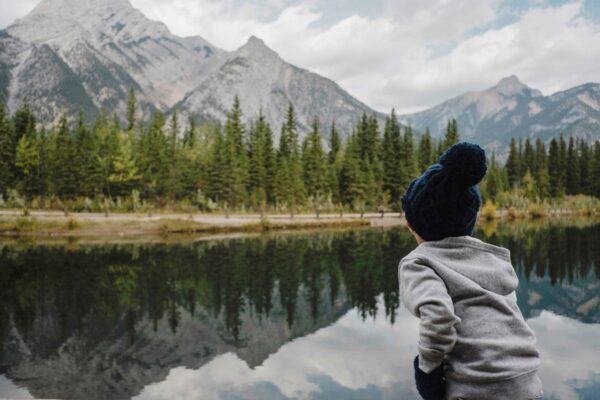
Banff is a place like no other. You see big mountains, cold lakes, and green trees everywhere. The air feels fresh, and the sky is sometimes too blue to believe. It’s not just about photos–it’s about feeling inside, calm and strong at the same time.
Why a Banff trip is a must
Banff National Park in Canada is one of the oldest parks in the country. It has many famous places like Lake Louise and Moraine Lake. People come here for hiking, camping, relaxing, and watching animals. If you have never gone before, it’s a good idea to have a plan. The weather here changes fast, and many trails go far.
You do not need to be an expert in nature. Even if you only walk a short distance, Banff gives you memories you never forget.
Day 1: Arrival and Easy Walk
You come to the town of Banff or stay close. The first day is good to rest and look around. Try not to do too much; just enjoy the view and learn where things are.
Things you can do:
- Walk in Banff town and look at small shops.
- Visit Banff Park Museum (old but nice).
- Take an easy walk along Bow River Trail.
- Eat in a local restaurant (elk burger maybe).
Hotels or hostels are not too hard to find, but book before summer.
Day 2: Lake Louise and Small Hiking
Wake up early. Go to Lake Louise before too many people come. Morning is the best time for a clear photo. Water looks like green glass.
From Lake Louise, walk to Lake Agnes Tea House. It takes about 1.5 hours one way. The trail is not very hard. You see a forest, a little river, and then come to a small lake with a tea house.
Tip: Bring cash for tea, no card.
After going back, maybe relax near the lake or drive to a nearby place called Moraine Lake (if open).
Day 3: Icefields Parkway and Big Nature
One of the most beautiful roads in the world is Icefields Parkway. You drive from Lake Louise in the direction of Jasper. You do not need to go all the way, but drive part of it.
Stop often, see many places:
- Peyto Lake (looks like a wolf head from the top)
- Mistaya Canyon (deep and loud)
- Columbia Icefield (big ice, very cold)
Maybe try walking on a glacier with a tour. It’s cold but crazy fun.
Drive back before dark. Animals like to come out on the road when night comes.
What to bring for the Banff trip
Packing light is smart, but weather can change fast in mountains. Even summer can be cold in the morning.
Here are some important things to bring:
- Warm jacket and raincoat
- Good shoes for hiking
- Sunscreen and hat
- Water bottle (refill in many places)
- Food or snack (some trail, no shop)
Phone signals do not always work. Download the map before going.
Day 4: Hot Springs and Gondola
After a lot of walking, maybe your legs say “no more.” So today is for relaxing.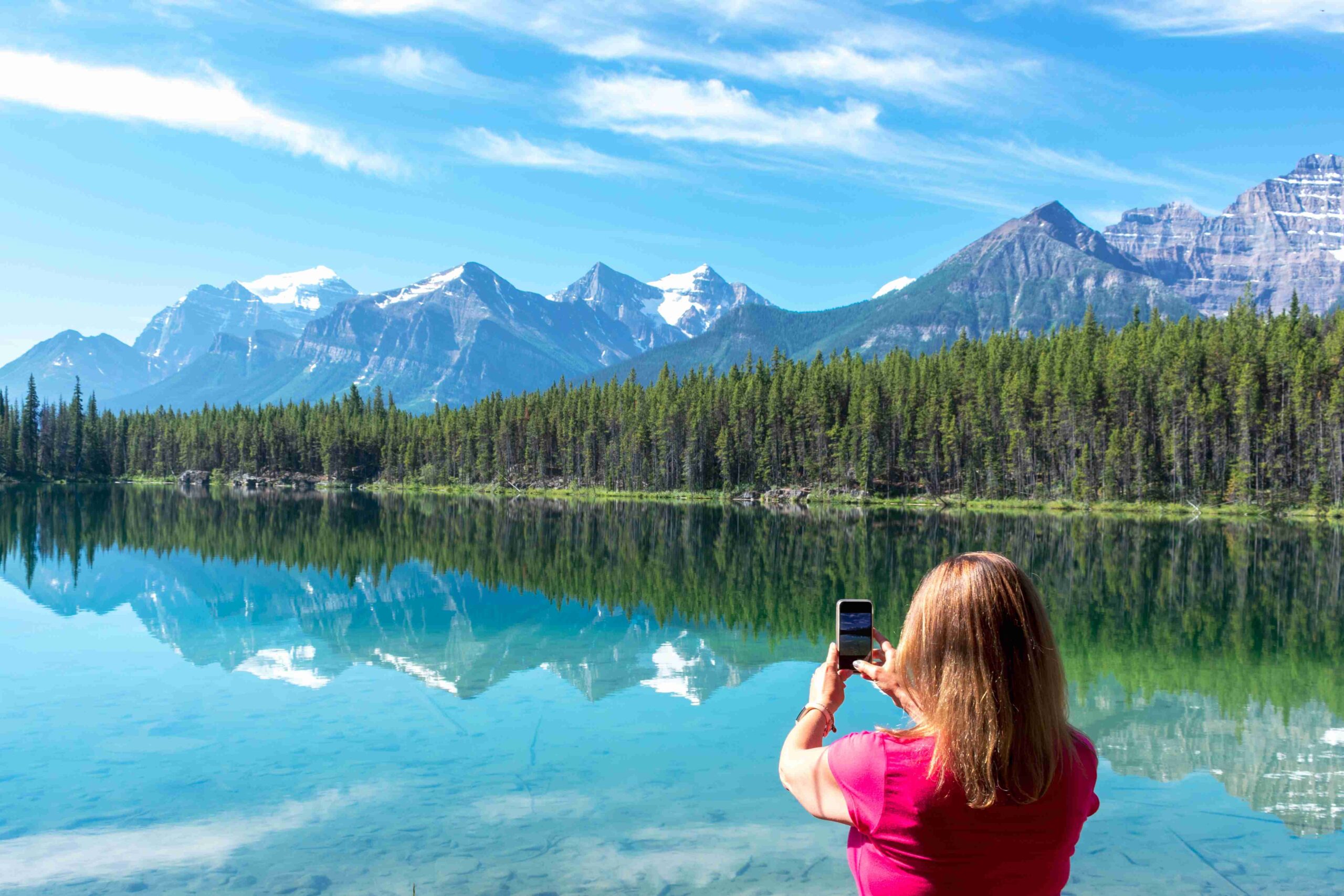
In Banff, go to Upper Hot Springs. Warm water comes from the earth, and you sit and watch mountains around. Very peaceful.
Later, take the Banff Gondola to Sulphur Mountain. You see a big view of the valley and sky. There is a small walk at the top with a wood path.
In the evening, maybe eat pizza and talk with people in the hostel or bar.
Wild animals and how to be safe
Banff is a wild place. You may see:
- Deer or elk near road
- Bears (yes, really)
- Mountain goats or sheep
They look cute but still wild. You do not go close, do not give food, and do not take selfies.
Safety rules:
- Make noise when walking in the forest.
- Carry bear spray if going far
- Put trash in bear–proof bin
- If you see an animal, stay calm and back away.
Most times nothing bad happens, but it’s better to be ready.
Day 5: Canoe or Bike
The last day can be slow. Try something new. Rent a canoe and go on the lake. Water is cold but fun. Or rent a bike and ride the trail near Tunnel Mountain.
Some people also go to Johnston Canyon. It has a nice bridge and waterfall. The walk is not too long, and many people go there.
Take a photo, breathe deep, and remember this feeling. Banff is a gift.
One more small tip before you go
- July and August are busy; better go early in the morning.
- Campgrounds need reservations. Wild camping is not allowed.
- Sometimes the road to Moraine Lake is closed; check before.
- Bring a little first aid; maybe you’ll fall or get a blister.
- Drink much water; mountain air is dry.
Banff is a place you want to go again. You come home tired but happy. You may see an animal, maybe rain, maybe a rainbow. Every day in Banff is different, but all is good.
So now, when you plan your next trip, maybe think of Banff. Bring your shoes, your camera, and your smile.